A comprehensive approach to collections management
Most collections are built over decades, one decision at a time. The work of caring for them properly — knowing what they hold, keeping them safe, deciding where they go — is what turns a private passion or a life’s work into a legacy.
Get in touch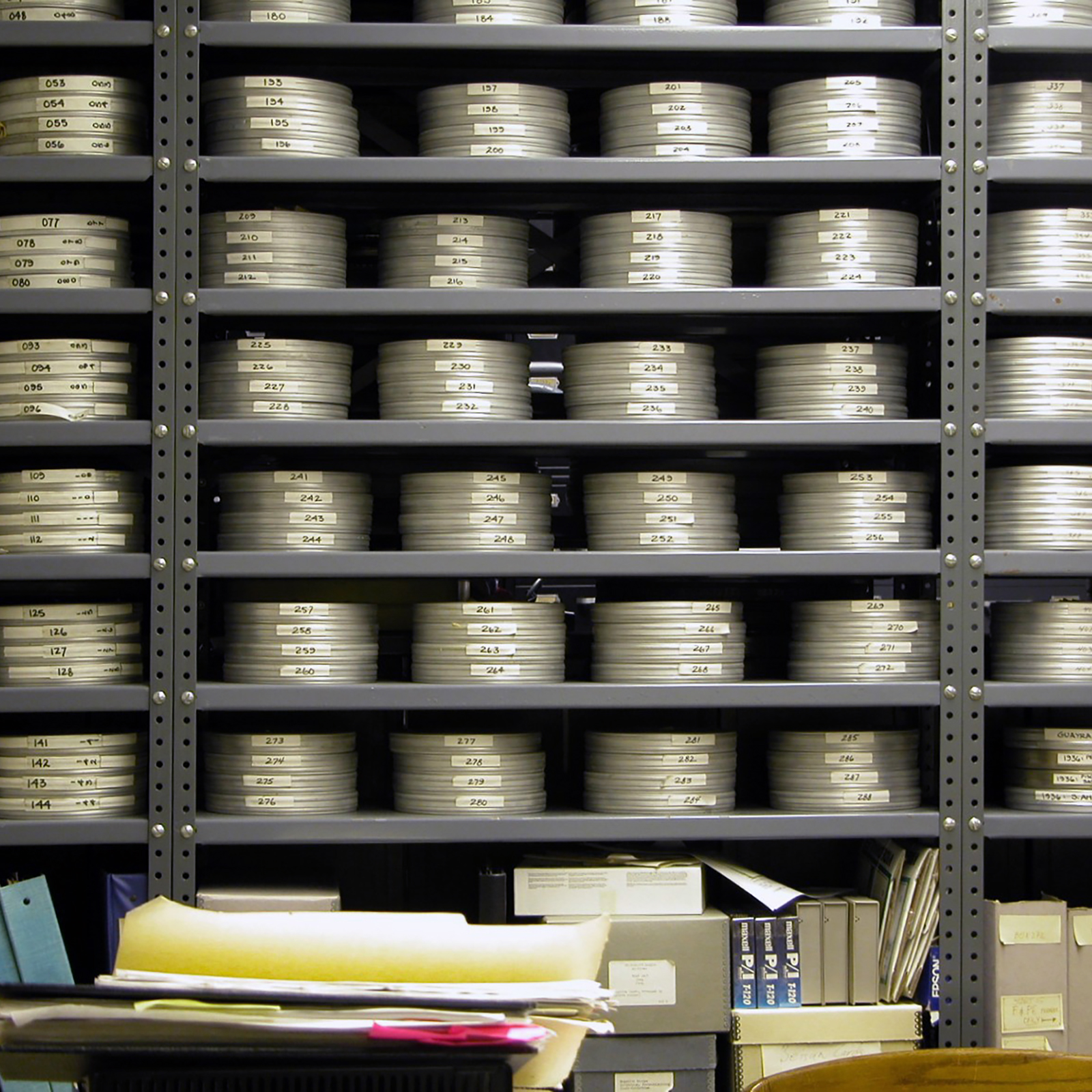
Collections Management & Storage Assessment, inventory, preservation, and storage — so a collection is safe, findable, and understood by anyone who comes to it
Work begins with knowing what is actually there: a survey of the collection, condition noted, objects identified and recorded in a catalogue that can be used rather than filed away. From there, the practical questions — how objects are housed, what materials they sit on and in, whether the environment is doing damage over time, what should be photographed, what needs attention first. For collections that have never been systematically recorded, this is where everything else starts.
Collections Relocation & Logistics Moving a collection or shipping a single object — packed, insured, tracked, and delivered without incident
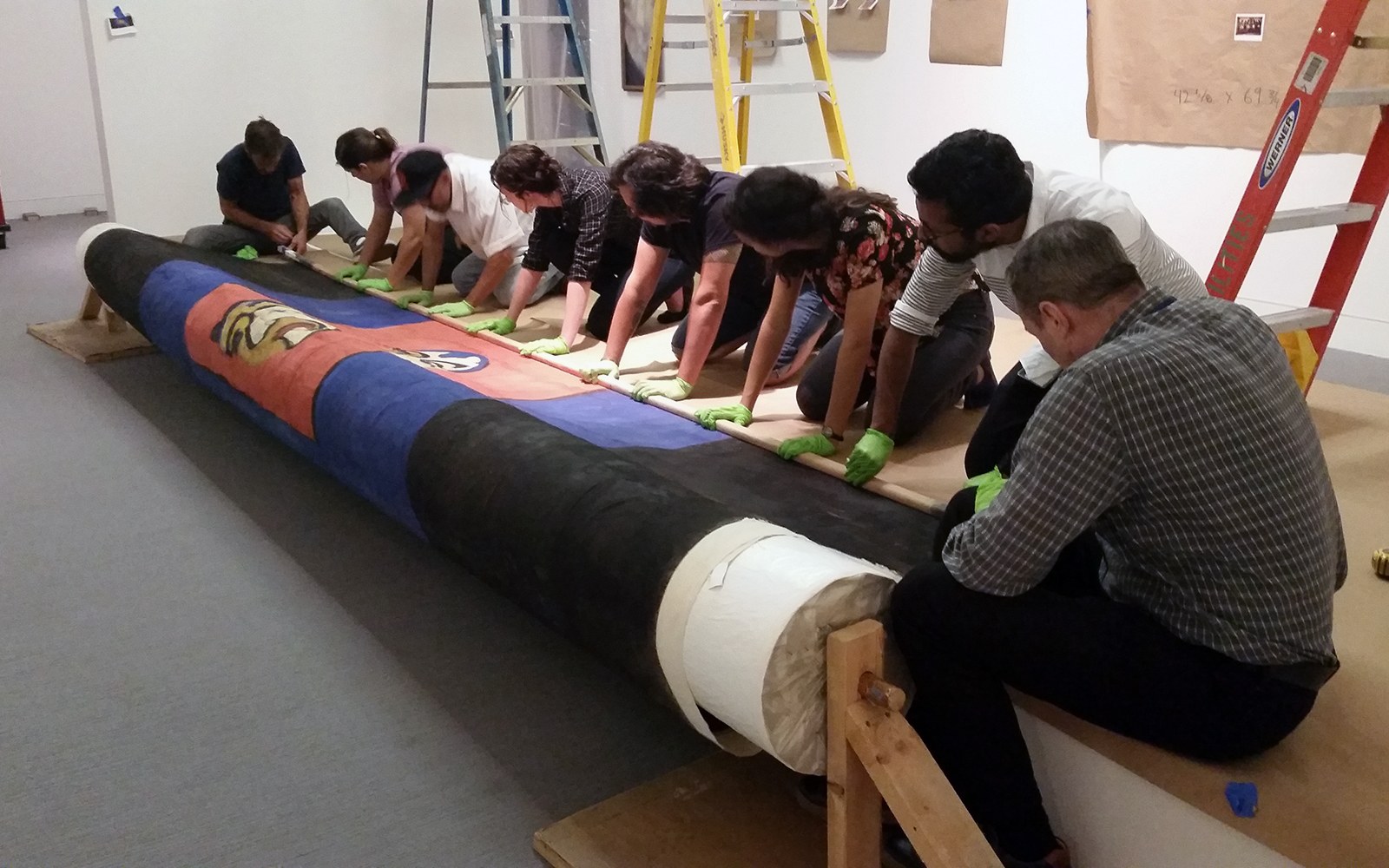
Moving a whole collection and shipping one object are different jobs, and both are handled. A move means condition recorded before and after, packing specified to the material, crates built where crates are needed, a sequence planned so nothing is lost in the shuffle, and vendors selected and supervised. A single shipment means the right carrier, the right paperwork, customs and export documentation where borders are involved, and insurance arranged to the value at stake. Fragile and irreplaceable material has moved across the country and across the world under this kind of oversight for three decades.
Collections Research Identifying and contextualizing what a collection holds — what these objects are, where they came from, and why they matter
Much of what a collection means lives in its owner's head and nowhere else. Research puts it on paper: identifying and attributing objects, establishing dates and makers, understanding how pieces relate to one another and to the wider field, and recording the stories that came with them. For an archive assembled around a career, or a collection built by someone who knew exactly why each piece was acquired, this is the work that keeps the knowledge from disappearing along with the person who held it.
Exhibitions & Loans Curatorial planning and the practicalities of lending — so a collection is seen, studied, and taken seriously beyond its own walls
Lending well takes more than agreeing to it. Loan agreements need reading and negotiating, condition reports need making at both ends, insurance and indemnity need confirming, and transit needs arranging to a standard the borrowing institution will accept. On the curatorial side: selecting what to show, shaping how a group of objects reads to a viewer, and preparing the interpretation that goes with it. Both sides of this have been handled from inside museums, which makes the institutional expectations familiar rather than mysterious.
Art Handling & Framing Installation and handling to museum standards, coordinated with trusted specialist partners
Some work belongs to specialists. Handling, installation, mount-making, and conservation framing are delivered through partners chosen for their standards — with specifications set, work supervised, and results checked by someone accountable to the collection rather than to the vendor.
Philanthropic Advisory & Placement Gifts, bequests, and donations — matching a collection with an institution that will value it and managing the transfer
Placing a collection well is largely a question of fit: which institutions collect in this area, what they already hold, what they have the capacity to store and care for, and what they will realistically accept. The process runs from those first conversations through the paperwork — deeds of gift, inventories, condition documentation, and the transfer itself. Years spent on the receiving side of these arrangements make it easier to tell which offers an institution will welcome and which will quietly stall, and to raise questions worth asking before a decision is final.
Buildings & Properties Purpose-built rooms and buildings, renovations, and identifying properties that can safely house a collection
Advising on the places a collection will live — a purpose-built room or building, a renovation, or the search for a suitable property. Design review alongside architects and engineers; environmental and security systems specified to what the collection actually needs rather than what is standard; and owner’s representation through construction, so someone on the client’s side is reading the drawings and asking the questions a collection raises. This work runs from a single climate-controlled room in a house to a freestanding facility.
Insurance & Emergency Planning Planning for what can go wrong — fire, water, storm, theft — and documenting a collection so it is properly covered
Insurance begins with documentation: what is held, what condition it is in, and what it would take to replace or restore. That record supports coverage, and existing policies can be reviewed against it for gaps — with introductions to insurers who genuinely understand collections. Emergency planning covers the rest: salvage priorities established before anything happens, written response plans, and the practical arrangements that determine whether a flooded room is a setback or a loss. Drawn from years of institutional disaster preparedness work, including co-founding a regional coalition of collecting institutions and government emergency agencies.